
5 Tire Rotation Pattern
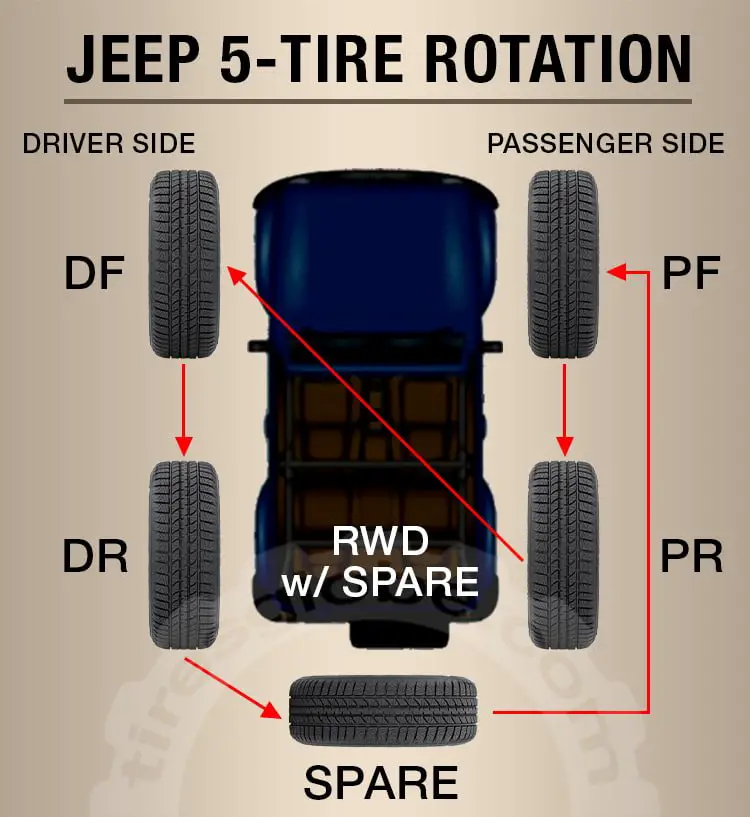
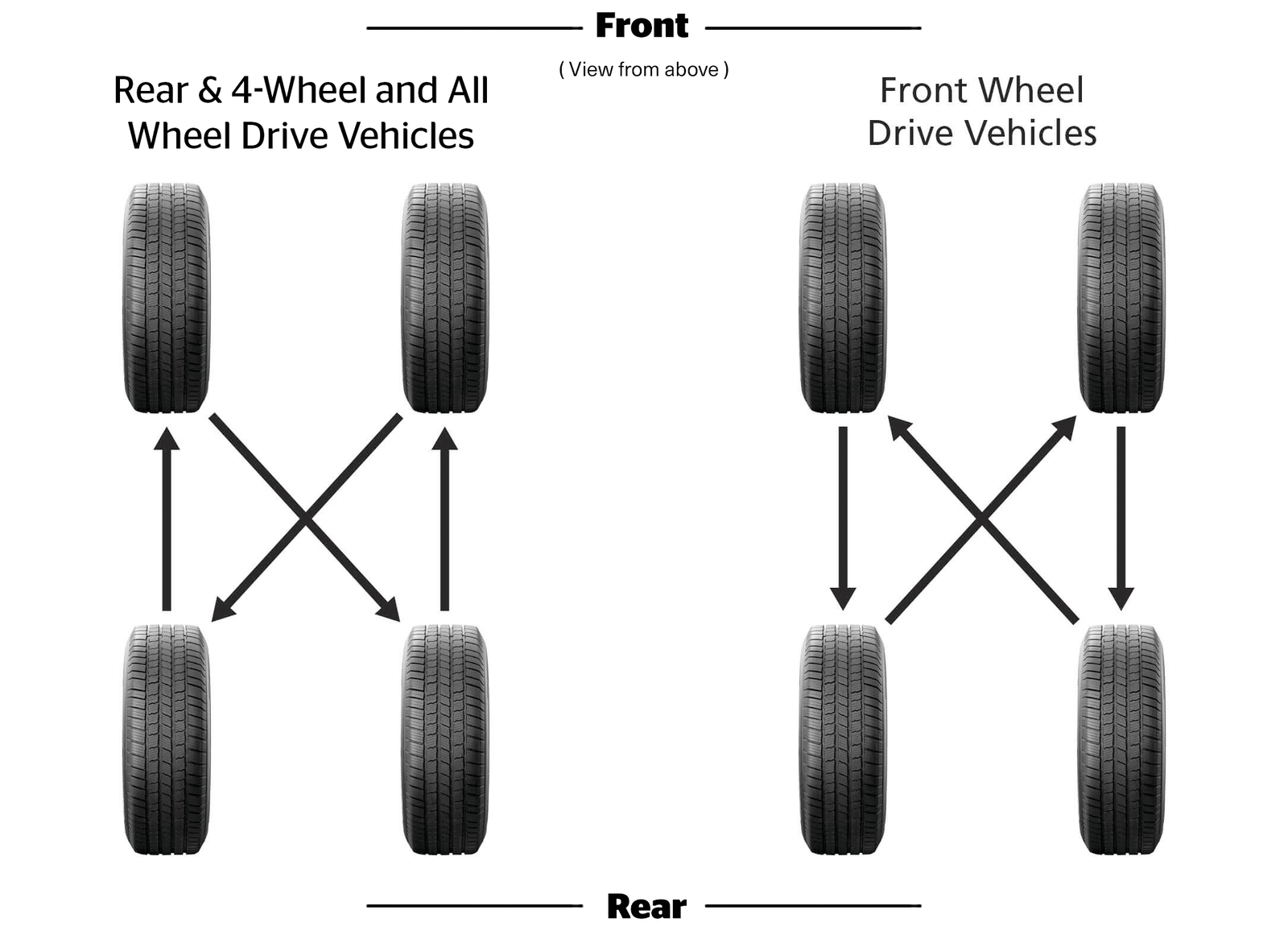
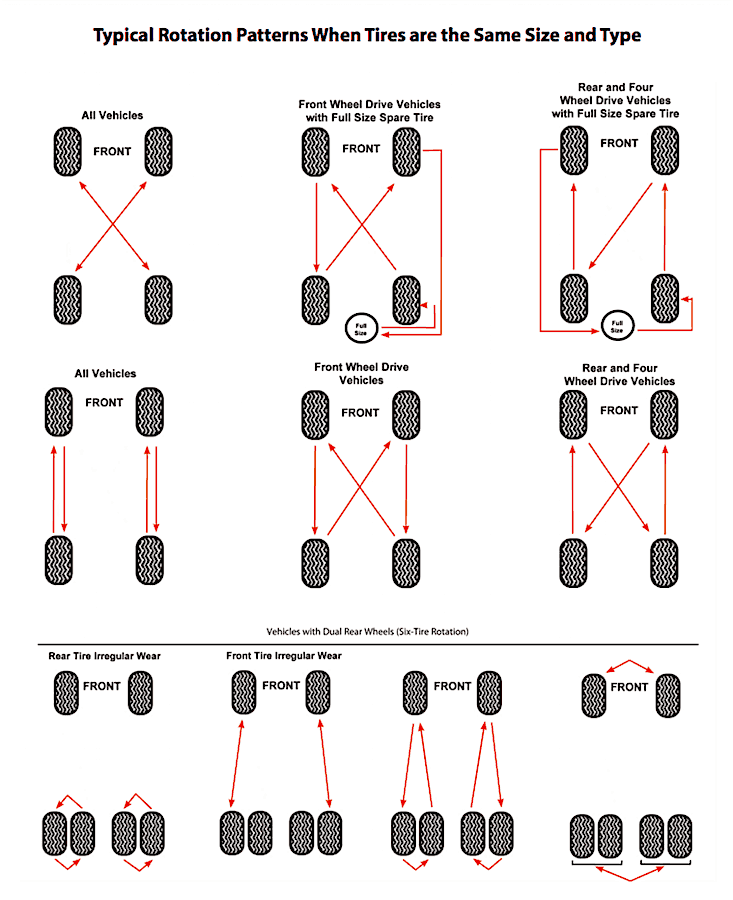
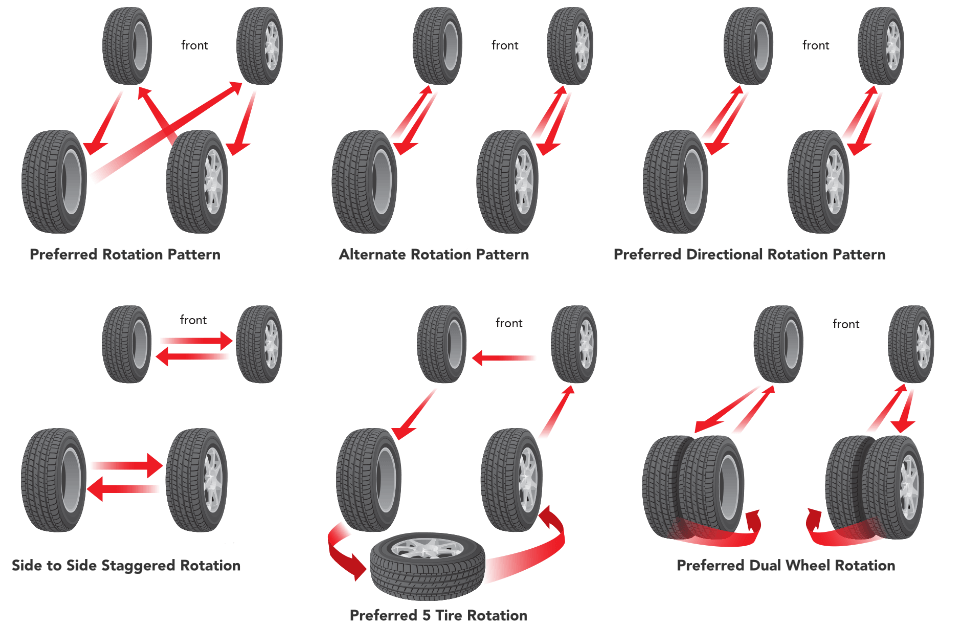
5 Tire Rotation Pattern - Additionally, rotating your tires may also be required. For example, staggered fitment tires can only be rotated from side to side (if the tires aren't directional). The first is the rearward cross (figure a) ; The second is the forward cross (figure c) ; Let’s dive into the details of including a spare tire when regularly rotating your tires. Web in a 5 tire rotation for fwd vehicles, we move the rear tires to the front on the same side, place the spare tire on the right rear, and cross the front tires to the opposite sides of the rear. Looking at the patterns above, you might note that certain tire types can only be rotated in a specific way. As the name implies, it’s simply a modification of the rearward cross that adds the extra tire. You should rotate your tires approximately every 6,000 to 8,000 miles (about 9,600 to 13,000 km). Web tires should be serviced periodically following the rotation patterns provided in the vehicle's owner's manual. You should rotate your tires approximately every 6,000 to 8,000 miles (about 9,600 to 13,000 km). Looking at the patterns above, you might note that certain tire types can only be rotated in a specific way. The forward cross and the rearward cross. This rotation pattern is identical to the standard rearward cross with the exception that the front driver side tire is moved to the spare tire location. There are only two recommended patterns for this type of rotation, which depend on whether the drive axle is on the front or rear of your vehicle: Web tire rotation, that is routinely repositioning your vehicle’s tires in specific patterns from front to back or side to side, is an important element of tire upkeep and safety. Additionally, rotating your tires may also be required. Web tires should be serviced periodically following the rotation patterns provided in the vehicle's owner's manual. The first is the rearward cross (figure a) ; Web in a 5 tire rotation for fwd vehicles, we move the rear tires to the front on the same side, place the spare tire on the right rear, and cross the front tires to the opposite sides of the rear. Web tire rotation, that is routinely repositioning your vehicle’s tires in specific patterns from front to back or side to side, is an important element of tire upkeep and safety. For example, staggered fitment tires can only be rotated from side to side (if the tires aren't directional). As the name implies, it’s simply a modification of the rearward cross. Let’s dive into the details of including a spare tire when regularly rotating your tires. Looking at the patterns above, you might note that certain tire types can only be rotated in a specific way. Web tires should be serviced periodically following the rotation patterns provided in the vehicle's owner's manual. There are only two recommended patterns for this type. There are only two recommended patterns for this type of rotation, which depend on whether the drive axle is on the front or rear of your vehicle: Additionally, rotating your tires may also be required. Web tires should be serviced periodically following the rotation patterns provided in the vehicle's owner's manual. Let’s dive into the details of including a spare. As the name implies, it’s simply a modification of the rearward cross that adds the extra tire. Let’s dive into the details of including a spare tire when regularly rotating your tires. The forward cross and the rearward cross. Looking at the patterns above, you might note that certain tire types can only be rotated in a specific way. Web. You should rotate your tires approximately every 6,000 to 8,000 miles (about 9,600 to 13,000 km). The first is the rearward cross (figure a) ; For example, staggered fitment tires can only be rotated from side to side (if the tires aren't directional). Additionally, rotating your tires may also be required. This rotation pattern is identical to the standard rearward. As the name implies, it’s simply a modification of the rearward cross that adds the extra tire. The first is the rearward cross (figure a) ; Web tires should be serviced periodically following the rotation patterns provided in the vehicle's owner's manual. You should rotate your tires approximately every 6,000 to 8,000 miles (about 9,600 to 13,000 km). Let’s dive. You should rotate your tires approximately every 6,000 to 8,000 miles (about 9,600 to 13,000 km). Additionally, rotating your tires may also be required. For example, staggered fitment tires can only be rotated from side to side (if the tires aren't directional). Web in a 5 tire rotation for fwd vehicles, we move the rear tires to the front on. The second is the forward cross (figure c) ; You should rotate your tires approximately every 6,000 to 8,000 miles (about 9,600 to 13,000 km). Let’s dive into the details of including a spare tire when regularly rotating your tires. For example, staggered fitment tires can only be rotated from side to side (if the tires aren't directional). The forward. Let’s dive into the details of including a spare tire when regularly rotating your tires. This rotation pattern is identical to the standard rearward cross with the exception that the front driver side tire is moved to the spare tire location. Looking at the patterns above, you might note that certain tire types can only be rotated in a specific. Web in a 5 tire rotation for fwd vehicles, we move the rear tires to the front on the same side, place the spare tire on the right rear, and cross the front tires to the opposite sides of the rear. Additionally, rotating your tires may also be required. You should rotate your tires approximately every 6,000 to 8,000 miles. For example, staggered fitment tires can only be rotated from side to side (if the tires aren't directional). Additionally, rotating your tires may also be required. Looking at the patterns above, you might note that certain tire types can only be rotated in a specific way. Web tires should be serviced periodically following the rotation patterns provided in the vehicle's owner's manual. The second is the forward cross (figure c) ; The forward cross and the rearward cross. Web in a 5 tire rotation for fwd vehicles, we move the rear tires to the front on the same side, place the spare tire on the right rear, and cross the front tires to the opposite sides of the rear. There are only two recommended patterns for this type of rotation, which depend on whether the drive axle is on the front or rear of your vehicle: Let’s dive into the details of including a spare tire when regularly rotating your tires. The first is the rearward cross (figure a) ; As the name implies, it’s simply a modification of the rearward cross that adds the extra tire.
Tyre Rotation Explained for 4x4s Practical Motoring
Jeep 5 Tire Rotation A StepByStep Guide Tires Globe

Infographic Tire Rotation Patterns for Different Drivetrain
Tire Rotation Learn How to Rotate Tires Michelin
How To Rotate Your Tires 6 Simple Steps & Tire Pattern TractionLife
Rotating Tires Proper Tire Rotation Patterns America's Tire
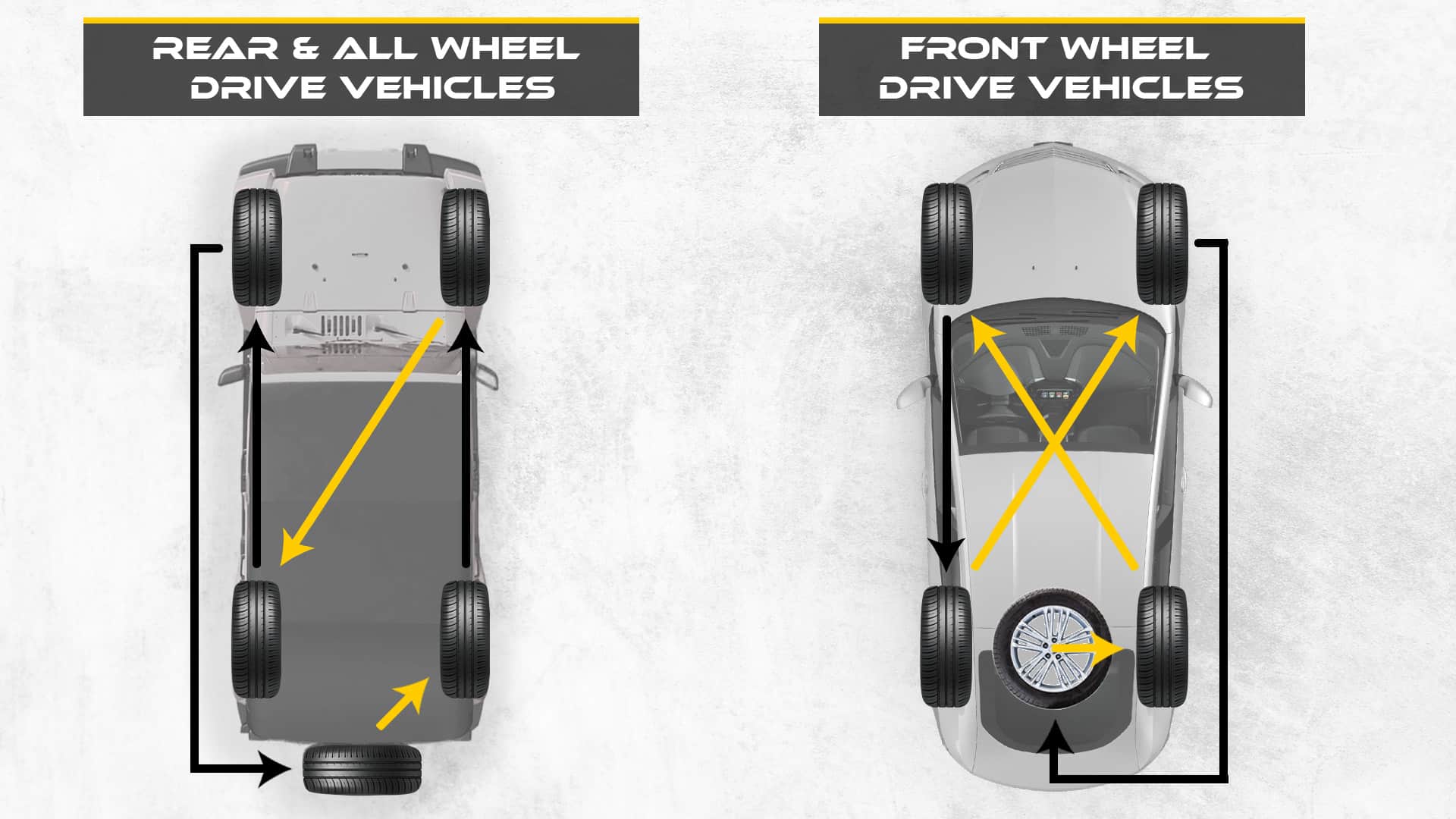
5 Tire Rotation Patterns Maximizing Tire Lifespan Tire Crunch
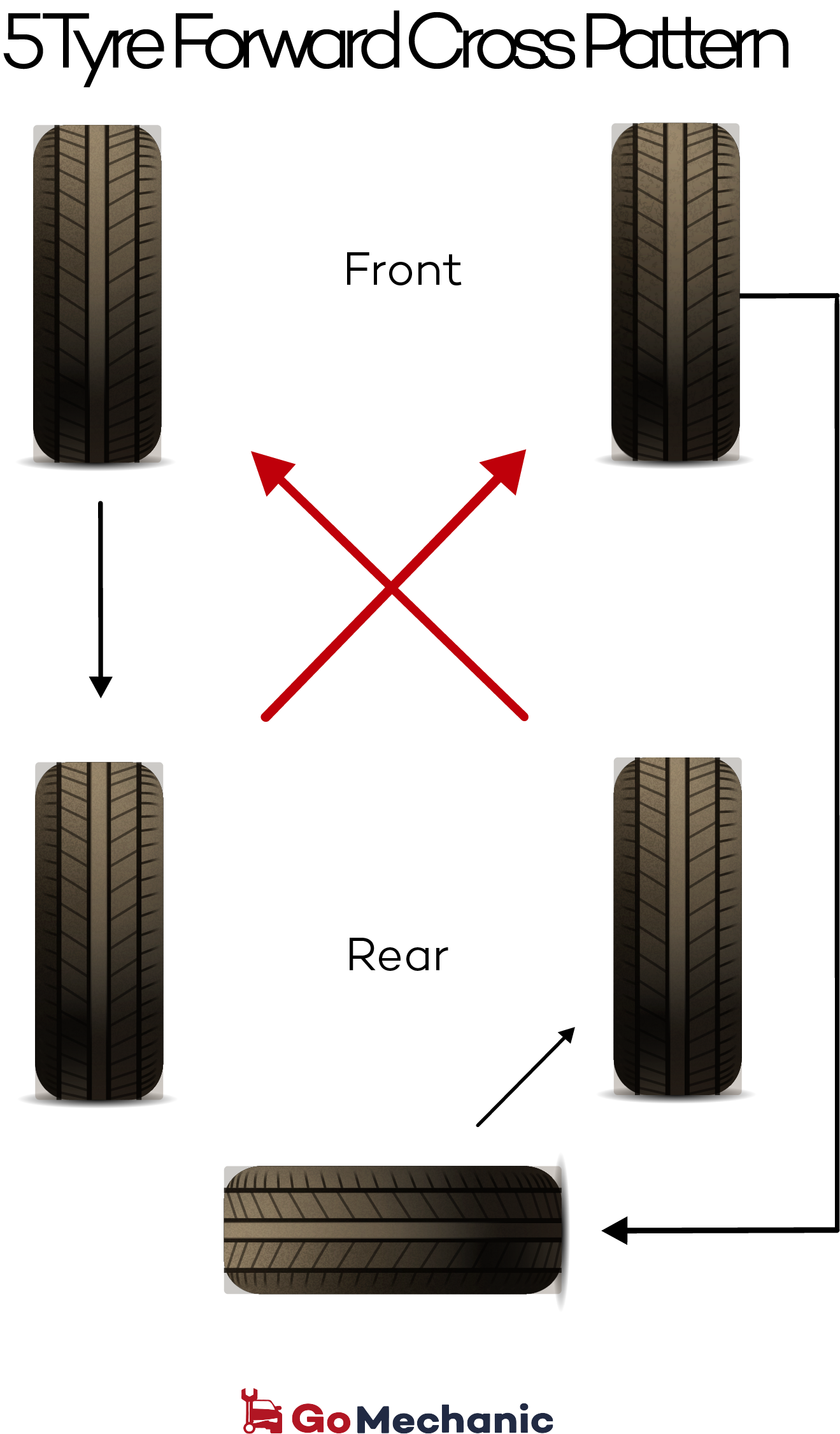
Tyre Rotation What You Need To Know The GoMechanic Blog
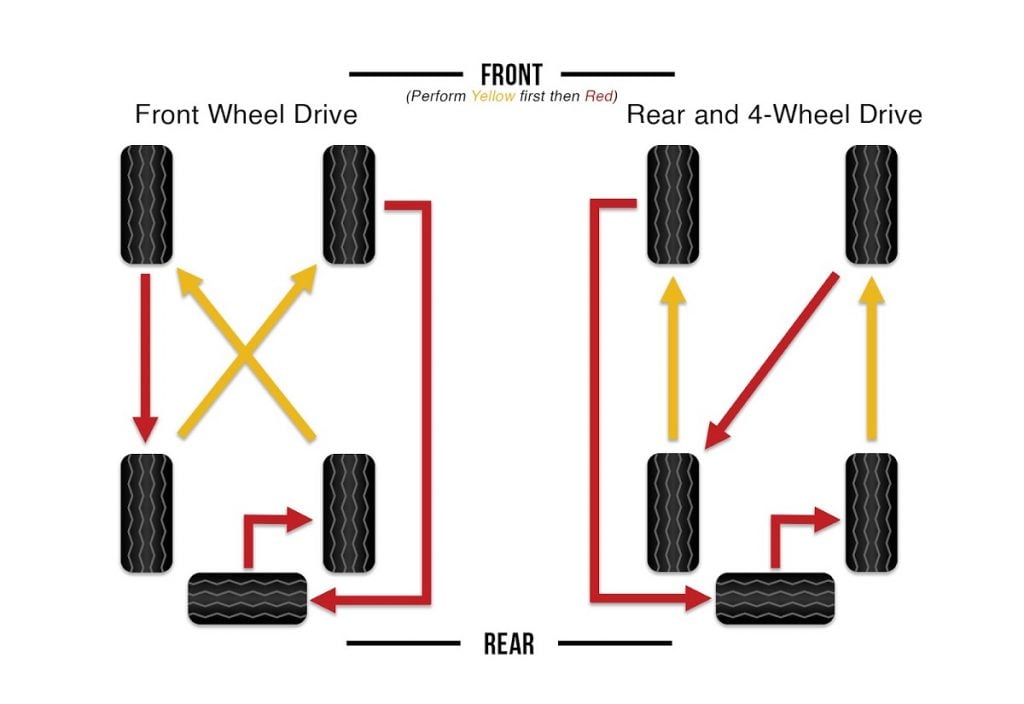
Tire Rotation Patterns Why to Rotate Tires and How to Do It
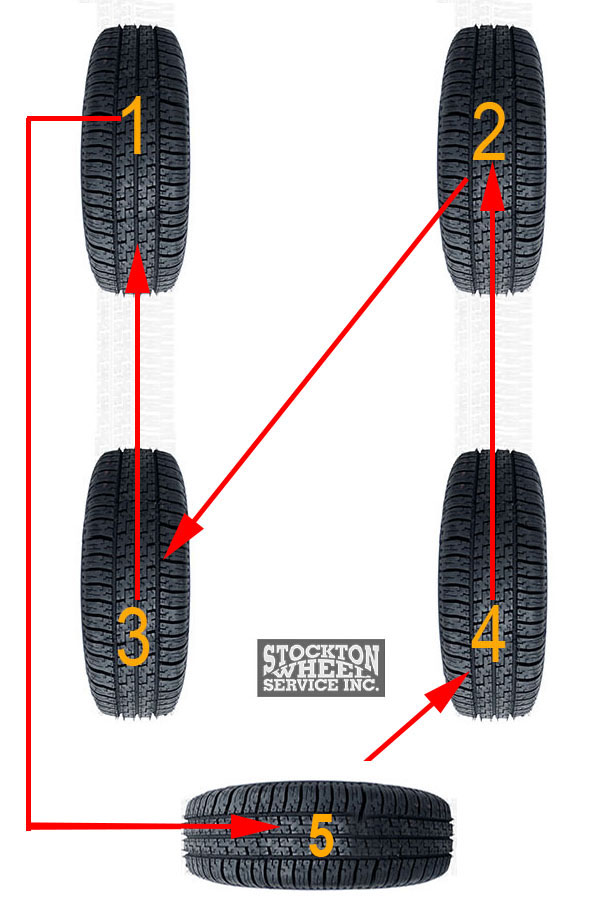
AWD Tire Rotation How To Rotate All Wheel Drive Tires
You Should Rotate Your Tires Approximately Every 6,000 To 8,000 Miles (About 9,600 To 13,000 Km).
Web Tire Rotation, That Is Routinely Repositioning Your Vehicle’s Tires In Specific Patterns From Front To Back Or Side To Side, Is An Important Element Of Tire Upkeep And Safety.
This Rotation Pattern Is Identical To The Standard Rearward Cross With The Exception That The Front Driver Side Tire Is Moved To The Spare Tire Location.
Related Post: