
German Army Camouflage Patterns
German Army Camouflage Patterns - Army patterns follow a relatively simple development path with each pattern having a clear link to the predecessor. Web german world war ii camouflage patterns formed a family of disruptively patterned military camouflage designs for clothing, used and in the main designed during the second world war. The first pattern, however, splittertarnmuster (splinter camouflage pattern), was designed in 1931 and was. Web the m58 flächentarn pattern was issued between 1956 and 1967 to units in the east german army (nva) and ministry of interior (mdi). Web german army uniform camouflage patterns (comprehensive guide)support: Web german army (bundeswehr) camouflage patterns. Vehicle base colours were permanently applied at the factory, and factories were the first to implement any base colour changes. Web german world war ii camouflage patterns formed a family of disruptively patterned military camouflage designs for clothing, used and in the main designed during the second world war. Web german army and airforce patterns. The term was coined by german designers in the 1970s during the bundeswehr truppenversuch 76, or german army uniform trials of 1976. Web german world war ii camouflage patterns formed a family of disruptively patterned military camouflage designs for clothing, used and in the main designed during the second world war. Web we offer a wide selection of authentically correct german uniforms and camouflage pattern uniforms for reenactors and collectors alike. Most were issued in one colour scheme. The camouflage patterns described below mainly apply to armored vehicles. The second world war era splitternmuster (splinter pattern) camouflage design was given new life as a general purpose uniform for the bundeswehr beginning in 1956. Web german army uniform camouflage patterns (comprehensive guide)support: The first pattern, splittertarnmuster (splinter camouflage pattern), was designed in 1931 and was initially intended. Army patterns follow a relatively simple development path with each pattern having a clear link to the predecessor. Web german world war ii camouflage patterns formed a family of disruptively patterned military camouflage designs for clothing, used and in the main designed during the second world war. Camouflage patterns of the wehrmacht were regulated by army communiqués (heeresmitteilung) issued throughout the war. The first pattern, however, splittertarnmuster (splinter camouflage pattern), was designed in 1931 and was. Web developed in 1931 and issued between 1932 and 1945, the splittermuster pattern is the classic ww2 german heer (army) camouflage pattern, although it was also used by the luftwaffe and fallschirmjäger. The second world war era splitternmuster (splinter pattern) camouflage design was given new life. Army patterns follow a relatively simple development path with each pattern having a clear link to the predecessor. The camouflage patterns described below mainly apply to armored vehicles. Web german world war ii camouflage patterns formed a family of disruptively patterned military camouflage designs for clothing, used and in the main designed during the second world war. Web german world. The first pattern, splittertarnmuster, was designed in 1931 and was initially intended for zeltbahn shelter halves. The second world war era splitternmuster (splinter pattern) camouflage design was given new life as a general purpose uniform for the bundeswehr beginning in 1956. Vehicle base colours were permanently applied at the factory, and factories were the first to implement any base colour. Web tracy mckithern, u.s. The first pattern, splittertarnmuster, was designed in 1931 and was initially intended for zeltbahn shelter halves. Web german world war ii camouflage patterns formed a family of disruptively patterned military camouflage designs for clothing, used and in the main designed during the second world war. Vehicle base colours were permanently applied at the factory, and factories. The second world war era splitternmuster (splinter pattern) camouflage design was given new life as a general purpose uniform for the bundeswehr beginning in 1956. Web german world war ii camouflage patterns formed a family of disruptively patterned military camouflage designs for clothing, used and in the main designed during the second world war. The german army was not the. Web during wwii, the german military developed, produced and utilized well over a dozen unique camouflage designs for their troops. Web the federal armed forces (bundeswehr) recently received a new camouflage pattern for its operational combat clothing. Web developed in 1931 and issued between 1932 and 1945, the splittermuster pattern is the classic ww2 german heer (army) camouflage pattern, although. Web in germany, the flecktarn camouflage pattern is used by all bundeswehr service branches, the heer (army), the luftwaffe (air force), some marine (navy) units and even the sanitätsdienst (medical service). Web during wwii, the german military developed, produced and utilized well over a dozen unique camouflage designs for their troops. Web this is a list of military clothing camouflage. Web the word flecktarn comes from the german words fleck (spot) and tarnung (camouflage). Web in germany, the flecktarn camouflage pattern is used by all bundeswehr service branches, the heer (army), the luftwaffe (air force), some marine (navy) units and even the sanitätsdienst (medical service). Web german world war ii camouflage patterns formed a family of disruptively patterned military camouflage. Web german army and airforce patterns. The pattern’s unique use of spots eliminates hard boundaries between its various colours, making it extremely effective in temperate woodland terrain. The second world war era splitternmuster (splinter pattern) camouflage design was given new life as a general purpose uniform for the bundeswehr beginning in 1956. The camouflage patterns described below mainly apply to. Vehicle base colours were permanently applied at the factory, and factories were the first to implement any base colour changes. Web in germany, the flecktarn camouflage pattern is used by all bundeswehr service branches, the heer (army), the luftwaffe (air force), some marine (navy) units and even the sanitätsdienst (medical service). Web german world war ii camouflage patterns formed a. Web german army and airforce patterns. The second world war era splitternmuster (splinter pattern) camouflage design was given new life as a general purpose uniform for the bundeswehr beginning in 1956. Web german world war ii camouflage patterns formed a family of disruptively patterned military camouflage designs for clothing, used and in the main designed during the second world war. The pattern’s unique use of spots eliminates hard boundaries between its various colours, making it extremely effective in temperate woodland terrain. Most were issued in one colour scheme. Web german world war ii camouflage patterns formed a family of disruptively patterned military camouflage designs for clothing, used and in the main designed during the second world war. Web developed in 1931 and issued between 1932 and 1945, the splittermuster pattern is the classic ww2 german heer (army) camouflage pattern, although it was also used by the luftwaffe and fallschirmjäger. Web during wwii, the german military developed, produced and utilized well over a dozen unique camouflage designs for their troops. Web the word flecktarn comes from the german words fleck (spot) and tarnung (camouflage). Web german army uniform camouflage patterns (comprehensive guide)support: Web both before and during the second world war, german armor camouflage went through a series of changes. Vehicle base colours were permanently applied at the factory, and factories were the first to implement any base colour changes. “flecktarn” is german for “mottled camouflage”. The term was coined by german designers in the 1970s during the bundeswehr truppenversuch 76, or german army uniform trials of 1976. Web german army (bundeswehr) camouflage patterns. Camouflage patterns of the wehrmacht were regulated by army communiqués (heeresmitteilung) issued throughout the war.
camouflage tile Google Search Camouflage patterns, Wwii german

Premium Vector German Flecktarn Military Camouflage Seamless Pattern

German Flecktarn Camouflage Patterns Graphic Patterns Creative Market
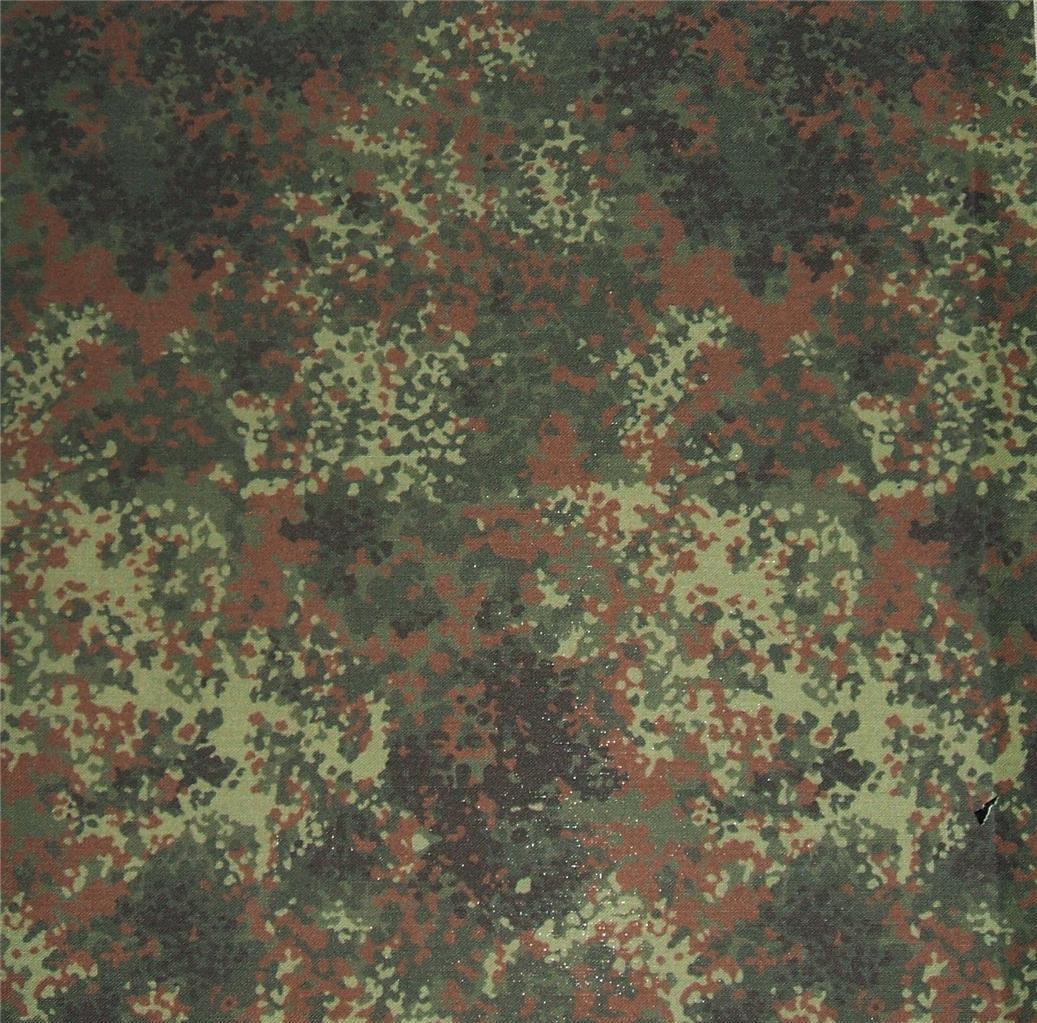
Flecktarn or “spotted camouflage”; is the German...
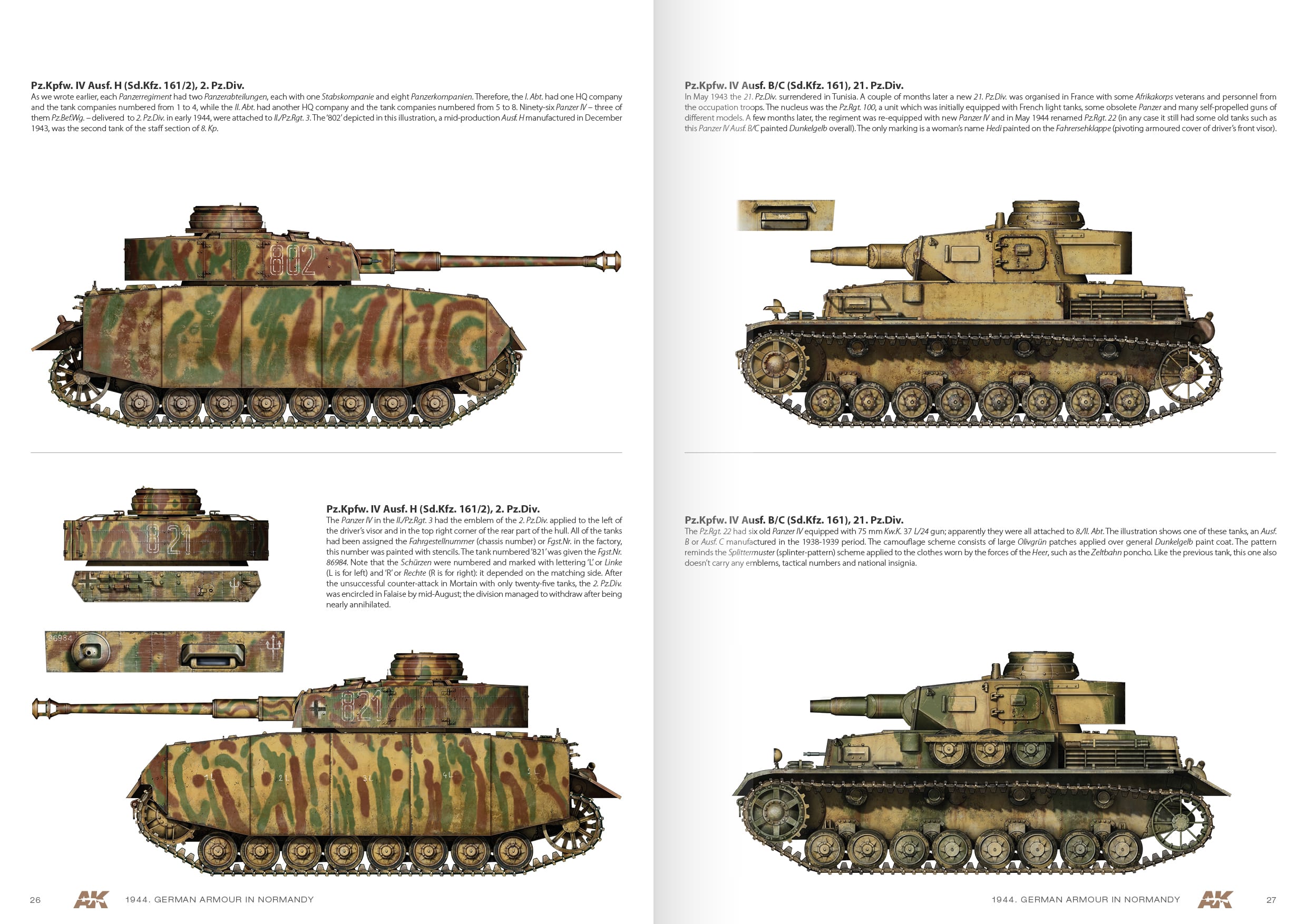
1945 German Colors Camouflage Profile Guide Telegraph
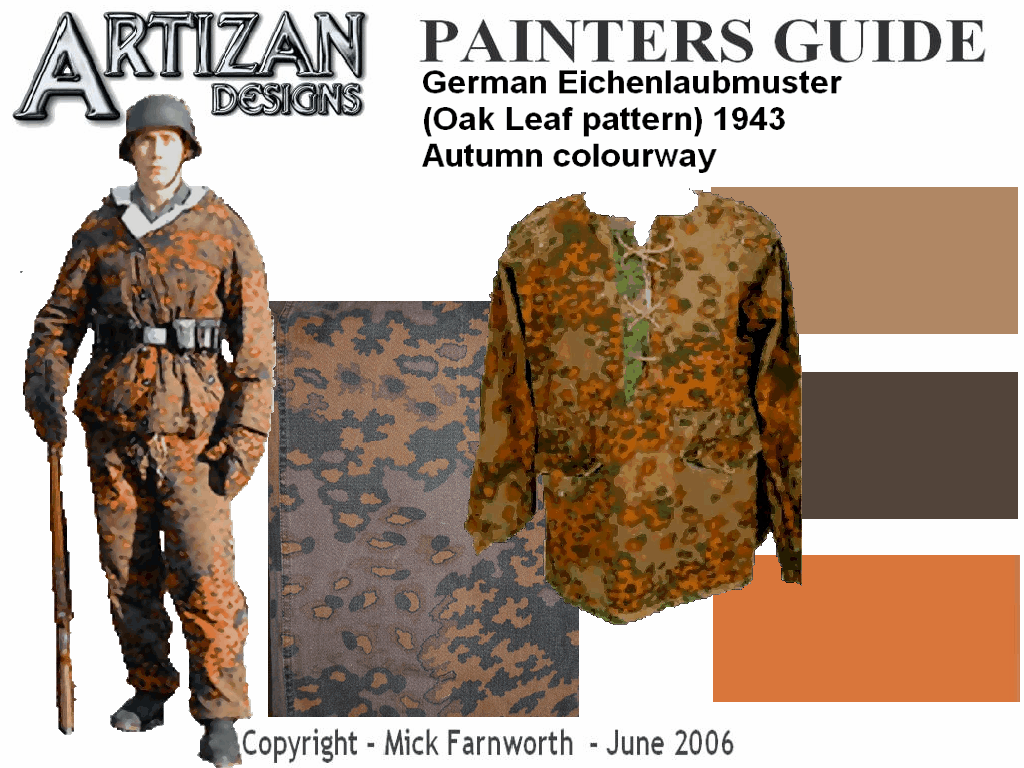
Artizan Designs' WWII Painting & Camo Guide
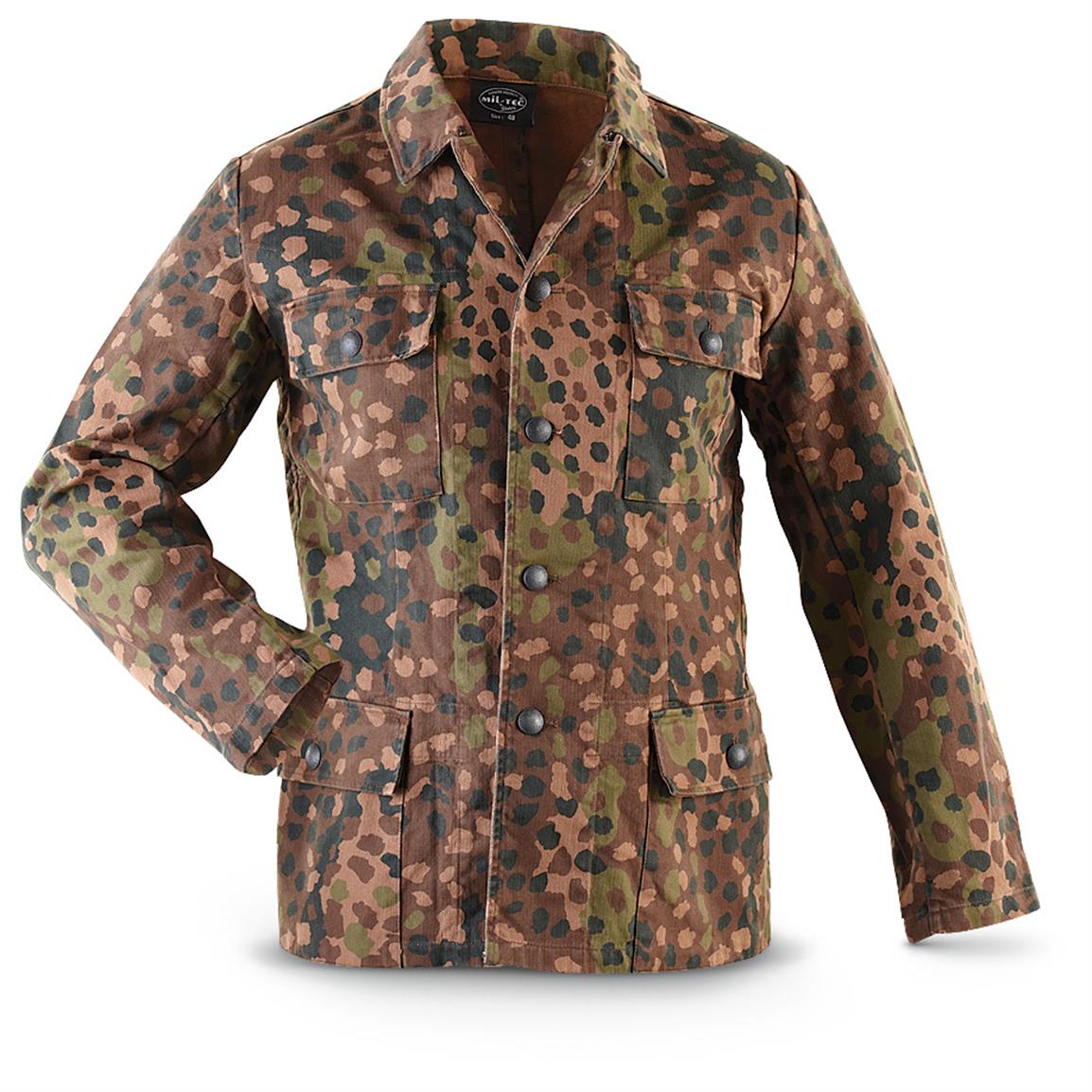
German Wwii Camo Patterns
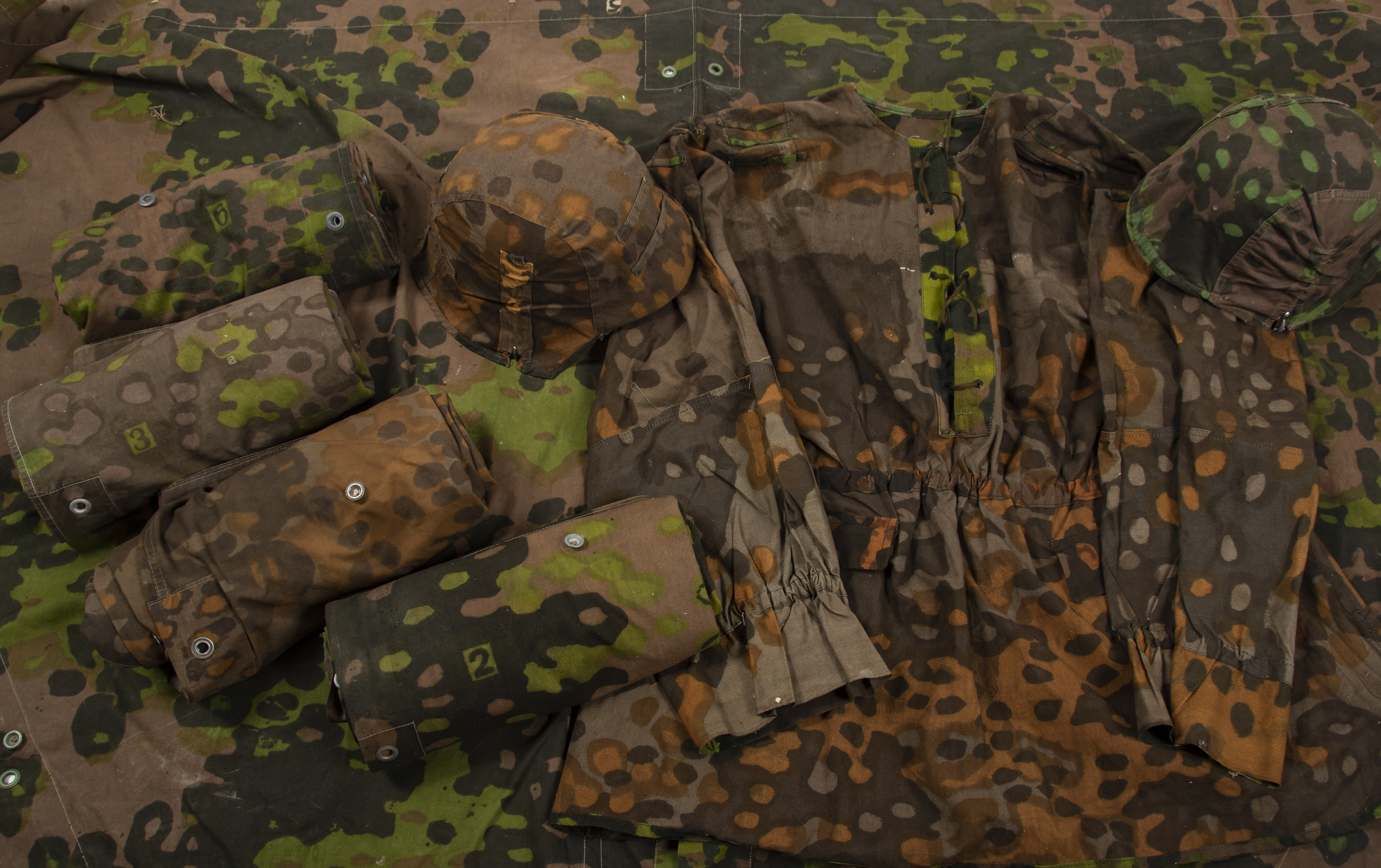
german camouflage patterns ww2 lineartdrawingsplantsface
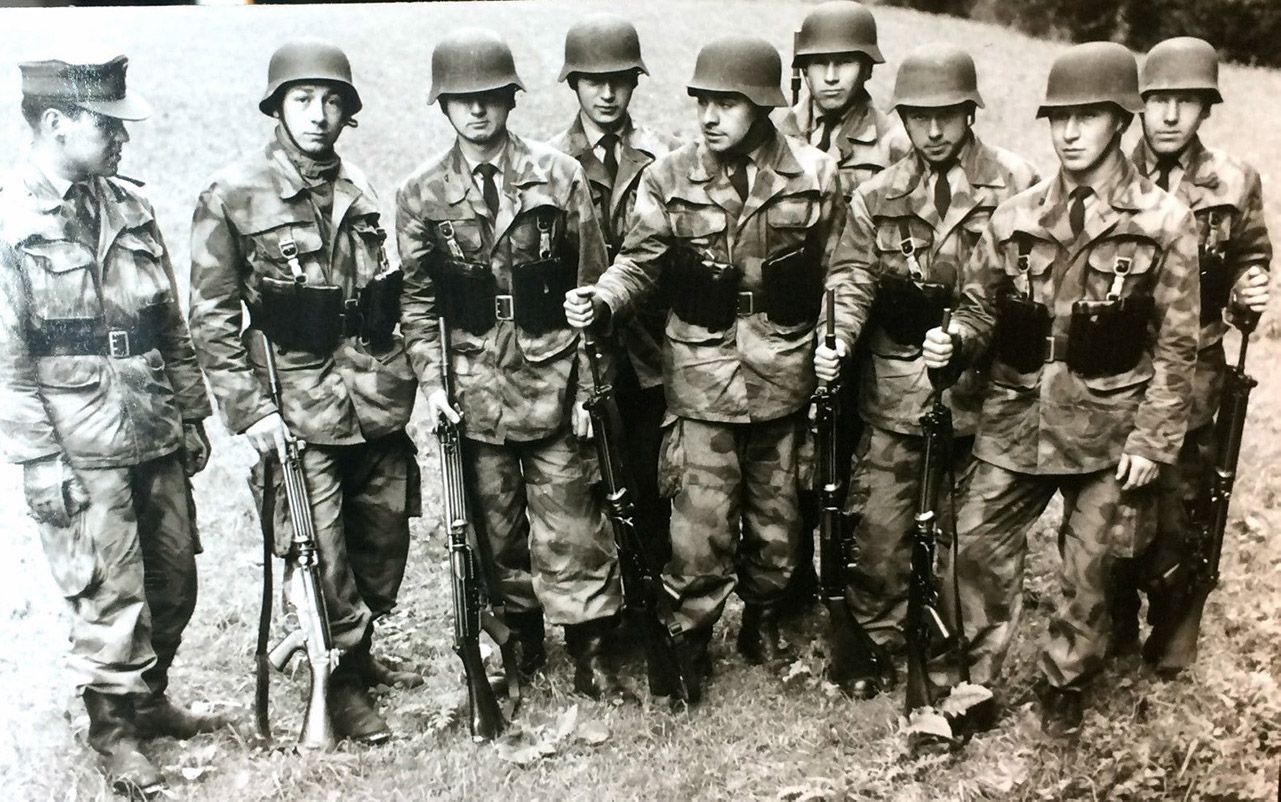
The evolution of Flecktarn camouflage pattern UF PRO

GermanMultitarnCamo Camo patterns, Camo, Camouflage pattern design
The First Pattern, Splittertarnmuster (Splinter Camouflage Pattern), Was Designed In 1931 And Was Initially Intended.
The First Pattern, Splittertarnmuster (Splinter Camouflage Pattern), Was Designed In 1931 And Was Initially Intended For Zeltbahn Shelter Halves.
Web We Offer A Wide Selection Of Authentically Correct German Uniforms And Camouflage Pattern Uniforms For Reenactors And Collectors Alike.
The German Army Was Not The First To Issue Camouflage To Soldiers But They Were The First To Issue It To Every Soldier.
Related Post: