
Homogeneous Ana Patterns
Homogeneous Ana Patterns - Normal value ranges may vary slightly among different laboratories. Web ana titers at higher levels more likely indicate the presence of autoimmune disease. Web each pattern is assigned an alphanumeric ac code (anticell). Doctors may order an ana test if you have signs or symptoms of an autoimmune. What is the ana test, and why was it ordered? Anas are typically classified into two groups, antibodies to dna and histones and antibodies to nuclear material. Homogenous staining can result from antibodies to dna and histones. Interphase cells show homogeneous nuclear staining while mitotic cells show staining of the condensed chromosome regions. Ana stands for “antinuclear antibodies.” as. Web antinuclear antibodies (ana) refer to an autoantibody directed at material within the nucleus of a cell. Fine and coarse speckles of ana staining are seen throughout the nucleus. A homogenous (diffuse) pattern appears as total nuclear fluorescence and is common in people with systemic lupus. Interphase cells show homogeneous nuclear staining while mitotic cells show staining of the condensed chromosome regions. This pattern is more commonly associated with antibodies. The commonly recognized patterns include: Web antibodies that attack healthy proteins within the cell nucleus are called antinuclear antibodies (anas). When active, usually a homogenous pattern on ana or less commonly speckled, rim, or nucleolar when present in high enough titer to be clinically. In contrast, antinuclear antibodies often attack your body's own. Web ana titers and patterns can vary between laboratory testing sites due to variations in the methodology used. Web a homogeneous/peripheral pattern reflects antibodies to histone/dsdna/chromatin, whereas many other specificities found in systemic rheumatic diseases show speckled patterns of various sizes and densities (fine speckled, large speckled, etc.). Web antinuclear antibodies (ana) refer to an autoantibody directed at material within the nucleus of a cell. In contrast, antinuclear antibodies often attack your body's own. Normal value ranges may vary slightly among different laboratories. Below is a summary of the patterns discussed: What is the ana test, and why was it ordered? Web an ana test detects antinuclear antibodies (ana) in your blood. When active, usually a homogenous pattern on ana or less commonly speckled, rim, or nucleolar when present in high enough titer to be clinically. Below is a summary of the patterns discussed: This pattern occurs when antibodies in your blood, which usually fight infections, mistakenly target the core of. A titer (a measure of how much ana is in the blood) and a pattern (where the ana was detected in the cells). This is the most common pattern and can be seen with any autoimmune disease. Web ana titers at higher levels more likely indicate the presence of autoimmune disease. Web an ana test detects antinuclear antibodies (ana) in. Web a homogeneous/peripheral pattern reflects antibodies to histone/dsdna/chromatin, whereas many other specificities found in systemic rheumatic diseases show speckled patterns of various sizes and densities (fine speckled, large speckled, etc.). Homogenous staining can result from antibodies to dna and histones. Interphase cells show homogeneous nuclear staining while mitotic cells show staining of the condensed chromosome regions. Web antinuclear antibodies (ana). Web the presence of ana with a homogeneous & speckled (hs) pattern was significantly associated with the absence of cancer ( < 0.01). Web the main ana staining patterns are homogeneous, speckled, nucleolar and centromere. This pattern occurs when antibodies in your blood, which usually fight infections, mistakenly target the core of your own cells. A homogenous (diffuse) pattern appears. Below is a summary of the patterns discussed: Web is the ana pattern suggestive of a specific disease? Web patterns that are reported include, homogeneous, speckled, centromere, and others. Web ana titers and patterns can vary between laboratory testing sites due to variations in the methodology used. Web an ana test detects antinuclear antibodies (ana) in your blood. A homogenous staining pattern means the entire nucleus is stained with ana. Talk to your provider about the meaning of your specific test results. Many laboratories also measure pattern or the way the test looks when viewed through a microscope. It’s the most common type of staining pattern. Interphase cells show homogeneous nuclear staining while mitotic cells show staining of. Web systemic lupus erythematosus (sle): Web antinuclear antibodies (ana) test: When active, usually a homogenous pattern on ana or less commonly speckled, rim, or nucleolar when present in high enough titer to be clinically. Web as they undergo treatment with steroids or other immunosuppressants, their ana pattern may become homogeneous. Medically reviewed by carmelita swiner, md on september 02, 2022. What is the ana test? Web patterns that are reported include, homogeneous, speckled, centromere, and others. Web ana patterns can be associated with different autoimmune conditions. It’s the most common type of staining pattern. Web ana titers and patterns can vary between laboratory testing sites due to variations in the methodology used. Web each pattern is assigned an alphanumeric ac code (anticell). What is the ana test? Web the pattern of the ana test can give information about the type of autoimmune disease present and the appropriate treatment program. Talk to your provider about the meaning of your specific test results. In contrast, antinuclear antibodies often attack your body's own. Web is the ana pattern suggestive of a specific disease? Web welcome to anapatterns.org, the official website for the international consensus on antinuclear antibody (ana) patterns (icap). These patterns can range from homogenous to speckled, and each carries its own significance in terms of potential autoimmune conditions. What are the most frequent causes of a positive ana? Web antinuclear antibodies (ana) test: Below is a summary of the patterns discussed: Web antinuclear antibodies (ana) represent a family of autoantibodies targeting ubiquitous cellular constituents and are a hallmark of systemic inflammatory autoimmune rheumatic diseases named connective tissue diseases (ctd). A titer (a measure of how much ana is in the blood) and a pattern (where the ana was detected in the cells). This is the most common pattern and can be seen with any autoimmune disease. Total nuclear fluorescence due to an antibody directed against dna or histone proteins. Web as they undergo treatment with steroids or other immunosuppressants, their ana pattern may become homogeneous. Web antibodies that attack healthy proteins within the cell nucleus are called antinuclear antibodies (anas). Web the presence of ana with a homogeneous & speckled (hs) pattern was significantly associated with the absence of cancer ( < 0.01). Web ana titers and patterns can vary between laboratory testing sites due to variations in the methodology used. A homogenous pattern can mean any autoimmune disease but more specifically, lupus or sjögren’s syndrome. What is the ana test?
6. IFA pattern Homogeneous ANA pattern YouTube
.jpg)
ANA Mixed pattern University of Birmingham

DFS70 antibodies biomarkers for the exclusion of ANAassociated

ANA Patterns
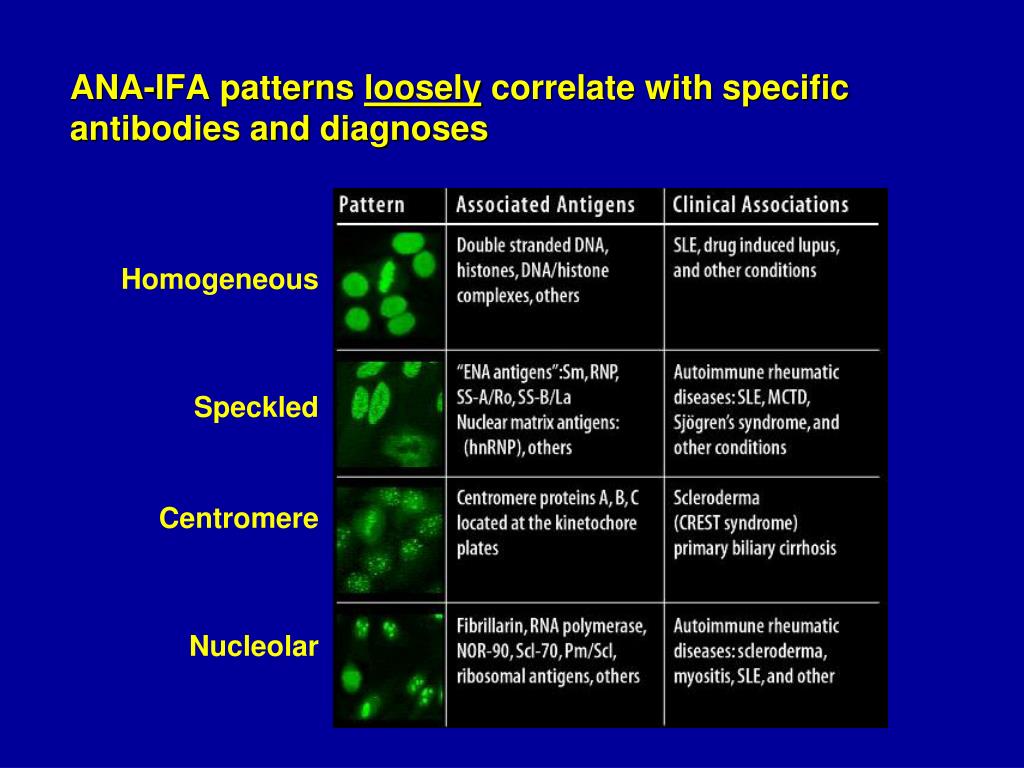
Homogeneous Ana Pattern Pagswa

ANA Patterns

ANA Patterns
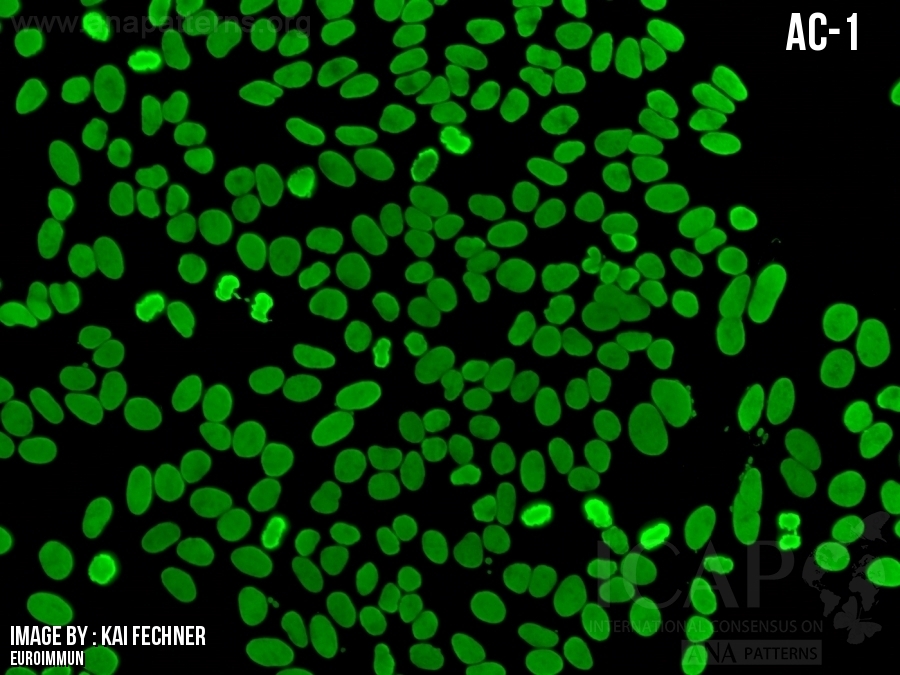
ANA Patterns
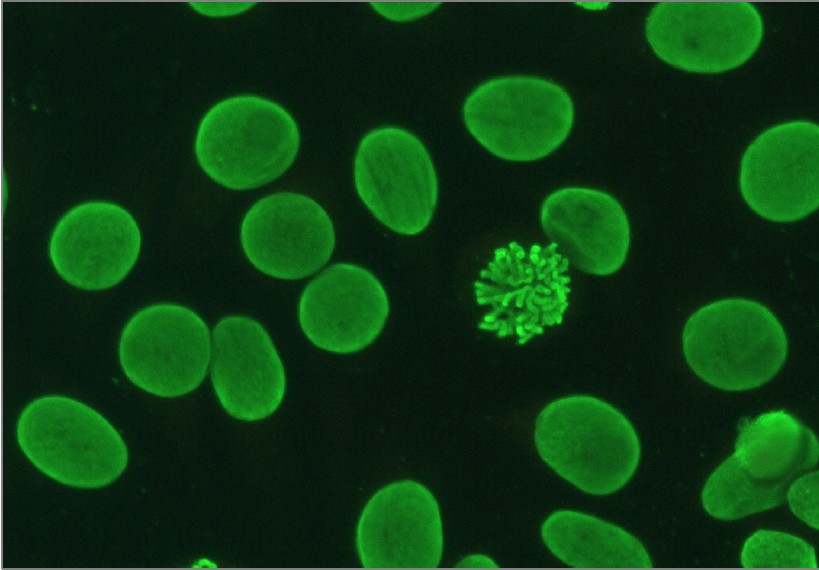
Antinuclear antibodies (ANA) homogeneous pattern positive control
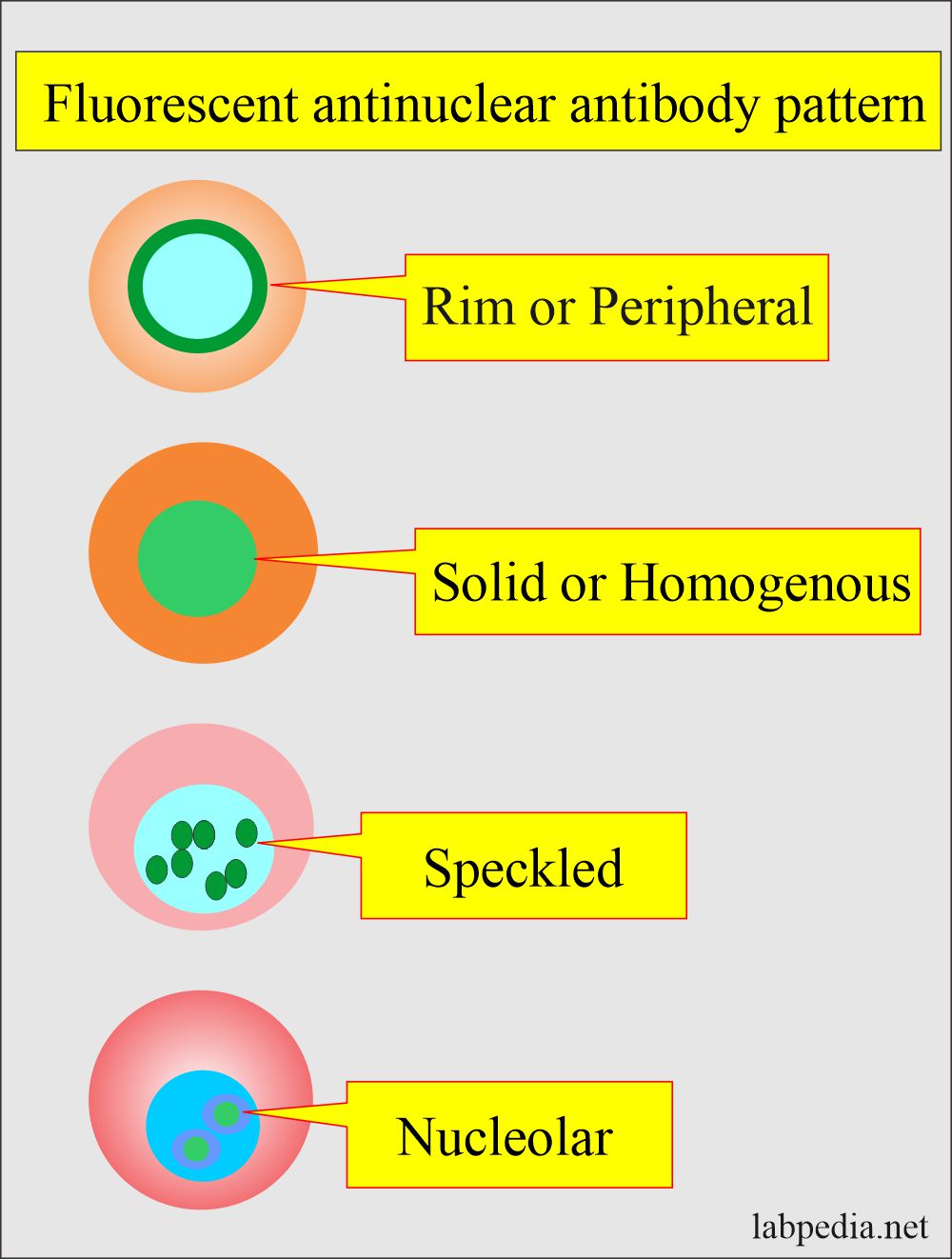
Antinuclear Factor (ANF), Antinuclear Antibody (ANA) and Its
It’s The Most Common Type Of Staining Pattern.
Talk To Your Provider About The Meaning Of Your Specific Test Results.
This Pattern Is More Commonly Associated With Antibodies.
In Contrast, Antinuclear Antibodies Often Attack Your Body's Own.
Related Post: