
Shoulder Capsular Pattern
Shoulder Capsular Pattern - Web the dynamic stabilisers of the shoulder complex include the rotator cuff muscles, the deltoid, and the scapular muscles, which control scapulohumeral rhythm. Web frozen shoulder (adhesive capsulitis) occurs when the strong connective tissue surrounding your shoulder joint (called the shoulder joint capsule) becomes thick, stiff and inflamed. Web learn about the clinical and radiological features of frozen shoulder, a painful condition with restricted shoulder range of motion. Web frozen shoulder or adhesive capsulitis describes the common shoulder condition characterized by painful and limited active and passive range of motion. Web adhesive capsulitis, also known as frozen shoulder, is a condition associated with shoulder pain and stiffness. Web also known as “frozen shoulder,” adhesive capsulitis (ac) is an insidious inflammatory condition characterized by a painful, gradual loss in passive or active. It involves thickening and tightening of the connective tissu… Web patients with frozen shoulder commonly present with rom restrictions in a capsular pattern. A clinician should be aware about the joint limitation that exists but isn't capsular in nature. Web the common capsular pattern of limitation has historically been described as diminishing motions with external shoulder rotation being the most limited,. Web this document provides guidelines for the physical therapy management of patients with shoulder adhesive capsulitis, also known as frozen shoulder. Web the dynamic stabilisers of the shoulder complex include the rotator cuff muscles, the deltoid, and the scapular muscles, which control scapulohumeral rhythm. Web also known as “frozen shoulder,” adhesive capsulitis (ac) is an insidious inflammatory condition characterized by a painful, gradual loss in passive or active. Web frozen shoulder or adhesive capsulitis describes the common shoulder condition characterized by painful and limited active and passive range of motion. Web patients with frozen shoulder commonly present with rom restrictions in a capsular pattern. Web adhesive capsulitis, also known as frozen shoulder, is a condition associated with shoulder pain and stiffness. Clinicians should assess for impairments in the capsuloligamentous complex and musculotendinous structures surrounding the. Web frozen shoulder (adhesive capsulitis) occurs when the strong connective tissue surrounding your shoulder joint (called the shoulder joint capsule) becomes thick, stiff and inflamed. Web global reduction in range of motion with a capsular pattern, defined as disproportionately severe loss of passive external rotation in the affected shoulder. It involves thickening and tightening of the connective tissu… Learn about its epidemiology, natural history, clinical presentation,. Web the common capsular pattern of limitation has historically been described as diminishing motions with external shoulder rotation being the most limited,. Web patients with frozen shoulder commonly present with rom restrictions in a capsular pattern. A capsular pattern is a proportional motion restriction unique to every joint that. For example in. For example in the shoulder joint in case of subacromial bursitis, abduction may be restricted but with minimal restriction in rotation component of joint. It is a common shoulder ailment that is marked by pain and a. Web also known as “frozen shoulder,” adhesive capsulitis (ac) is an insidious inflammatory condition characterized by a painful, gradual loss in passive or. Web frozen shoulder or adhesive capsulitis describes the common shoulder condition characterized by painful and limited active and passive range of motion. Web global reduction in range of motion with a capsular pattern, defined as disproportionately severe loss of passive external rotation in the affected shoulder. Web learn about the clinical and radiological features of frozen shoulder, a painful condition. Learn about its epidemiology, natural history, clinical presentation,. Web the dynamic stabilisers of the shoulder complex include the rotator cuff muscles, the deltoid, and the scapular muscles, which control scapulohumeral rhythm. It involves thickening and tightening of the connective tissu… Web patients with frozen shoulder commonly present with rom restrictions in a capsular pattern. Web global reduction in range of. Web frozen shoulder (adhesive capsulitis) occurs when the strong connective tissue surrounding your shoulder joint (called the shoulder joint capsule) becomes thick, stiff and inflamed. Web the dynamic stabilisers of the shoulder complex include the rotator cuff muscles, the deltoid, and the scapular muscles, which control scapulohumeral rhythm. It involves thickening and tightening of the connective tissu… For example in. Web the concept of capsular constraint mechanism can be applied to a tight join capsule of the shoulder where the humeral head translates in the direction opposite to that of capsular. Frozen shoulder, or adhesive capsulitis, is a condition that causes stiffness and pain in the shoulder joint. Web global reduction in range of motion with a capsular pattern, defined. Web also known as “frozen shoulder,” adhesive capsulitis (ac) is an insidious inflammatory condition characterized by a painful, gradual loss in passive or active. A capsular pattern is a proportional motion restriction unique to every joint that. Learn about its epidemiology, natural history, clinical presentation,. Frozen shoulder, or adhesive capsulitis, is a condition that causes stiffness and pain in the. Web frozen shoulder (adhesive capsulitis) occurs when the strong connective tissue surrounding your shoulder joint (called the shoulder joint capsule) becomes thick, stiff and inflamed. Web this document provides guidelines for the physical therapy management of patients with shoulder adhesive capsulitis, also known as frozen shoulder. Web patients with frozen shoulder commonly present with rom restrictions in a capsular pattern.. Web the concept of capsular constraint mechanism can be applied to a tight join capsule of the shoulder where the humeral head translates in the direction opposite to that of capsular. A capsular pattern is a proportional motion restriction unique to every joint that. Learn about its epidemiology, natural history, clinical presentation,. Web global reduction in range of motion with. Web also known as “frozen shoulder,” adhesive capsulitis (ac) is an insidious inflammatory condition characterized by a painful, gradual loss in passive or active. Web global reduction in range of motion with a capsular pattern, defined as disproportionately severe loss of passive external rotation in the affected shoulder. Web the concept of capsular constraint mechanism can be applied to a. Web the dynamic stabilisers of the shoulder complex include the rotator cuff muscles, the deltoid, and the scapular muscles, which control scapulohumeral rhythm. Web the common capsular pattern of limitation has historically been described as diminishing motions with external shoulder rotation being the most limited,. Web also known as “frozen shoulder,” adhesive capsulitis (ac) is an insidious inflammatory condition characterized by a painful, gradual loss in passive or active. For example in the shoulder joint in case of subacromial bursitis, abduction may be restricted but with minimal restriction in rotation component of joint. Web learn about the clinical and radiological features of frozen shoulder, a painful condition with restricted shoulder range of motion. Web the concept of capsular constraint mechanism can be applied to a tight join capsule of the shoulder where the humeral head translates in the direction opposite to that of capsular. Learn about its epidemiology, natural history, clinical presentation,. Web frozen shoulder or adhesive capsulitis describes the common shoulder condition characterized by painful and limited active and passive range of motion. Clinicians should assess for impairments in the capsuloligamentous complex and musculotendinous structures surrounding the. It is a common shoulder ailment that is marked by pain and a. A capsular pattern is a proportional motion restriction unique to every joint that. It involves thickening and tightening of the connective tissu… A clinician should be aware about the joint limitation that exists but isn't capsular in nature. Web this document provides guidelines for the physical therapy management of patients with shoulder adhesive capsulitis, also known as frozen shoulder. Web frozen shoulder (adhesive capsulitis) occurs when the strong connective tissue surrounding your shoulder joint (called the shoulder joint capsule) becomes thick, stiff and inflamed. Web global reduction in range of motion with a capsular pattern, defined as disproportionately severe loss of passive external rotation in the affected shoulder.
Figure 1 from Posterior Capsular Contracture of the Shoulder Semantic
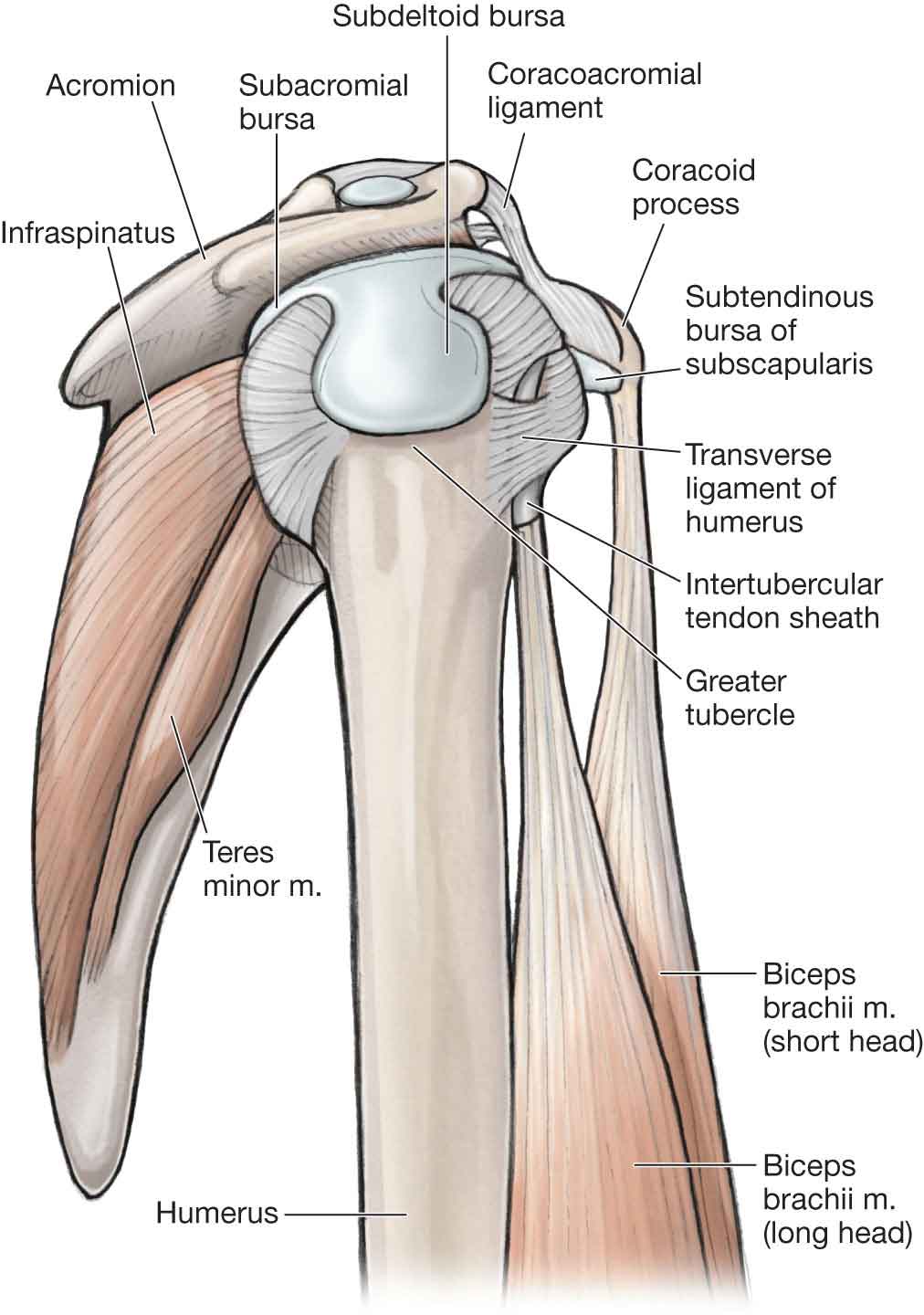
The Shoulder Musculoskeletal Key
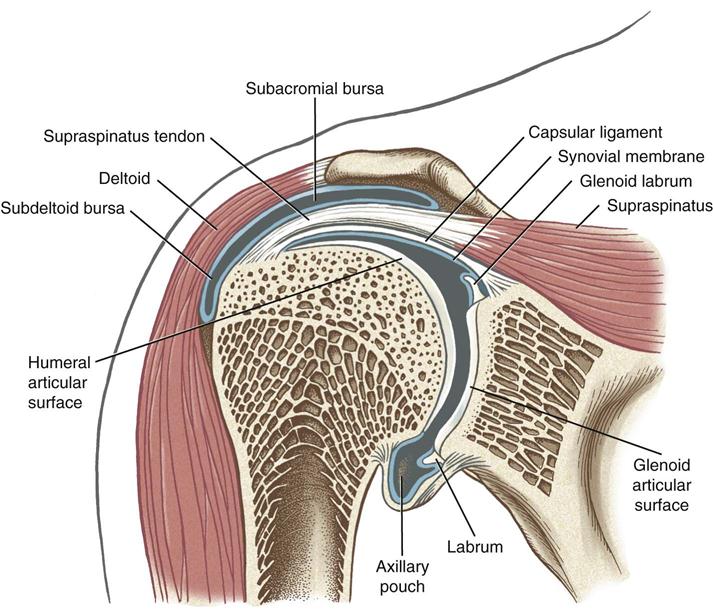
Shoulder Musculoskeletal Key

capsular pattern shoulder YouTube

Capsular pattern of the shoulder labquiz
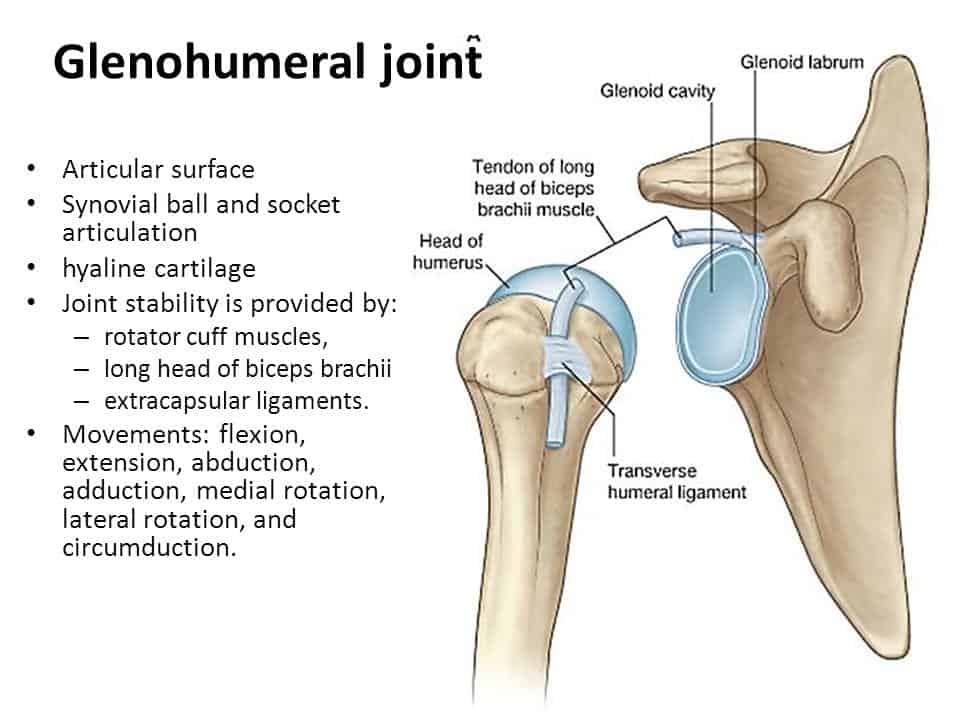
glenohumeraljointshoulderjointshoulderboneframeworkclavicle

Capsular pattern 1 Physical therapy, School work, Therapy

Capsular Pattern Of Shoulder sharedoc
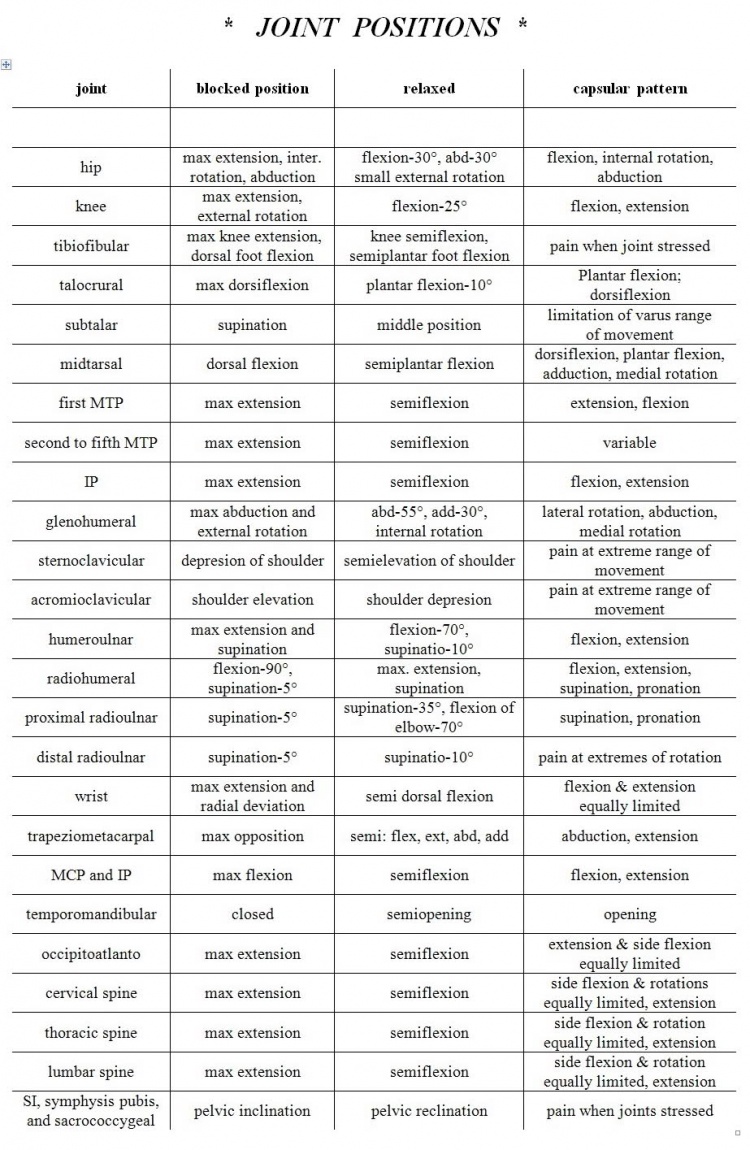
Capsular and Noncapsular Patterns Physiopedia
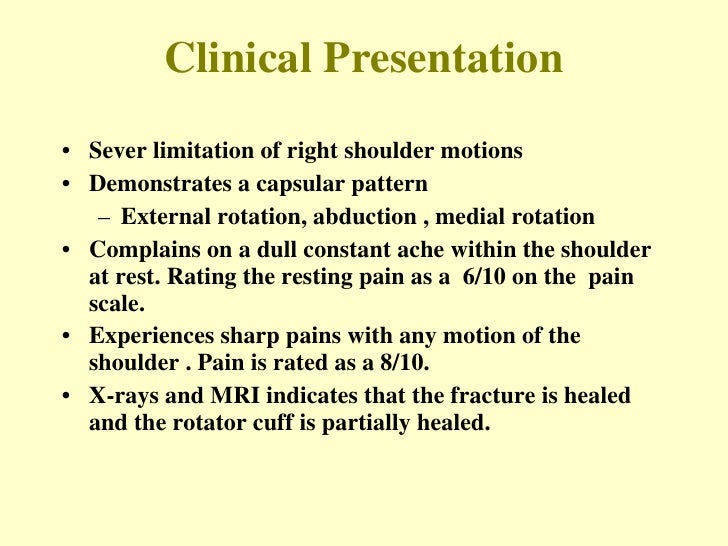
Shoulder Lecture
Web Patients With Frozen Shoulder Commonly Present With Rom Restrictions In A Capsular Pattern.
Web Adhesive Capsulitis, Or Frozen Shoulder, Is A Common Shoulder Condition With Pain And Stiffness.
Web Adhesive Capsulitis, Also Known As Frozen Shoulder, Is A Condition Associated With Shoulder Pain And Stiffness.
Frozen Shoulder, Or Adhesive Capsulitis, Is A Condition That Causes Stiffness And Pain In The Shoulder Joint.
Related Post: