
Spider Eye Patterns
Spider Eye Patterns - At times, they are also described as cobwebs or floaters, the latter of which refers to the shifting nature of the specks or lines. Web however, what you should look at instead is the eye pattern of 6 eyes in pairs with a space separating the pairs. The picture at the top of the page, for example, shows a spider with two rows of eyes. One way to id a spider by family is to look at their eye pattern. Web eye pattern represents the first spider identification clue when deciding between families. It’s often easiest to take a picture of the spider, then zoom in to see the eye count and pattern. The eyes can be categorised by their location and are divided into the anterior median eyes (ame), anterior lateral eyes (ale), posterior median eyes (pme), and posterior lateral eyes (ple). All jumping spiders have four pairs of eyes, with the anterior median pair being particularly large. Web the brown recluse spider (figure 1), also known as the brown spider or fiddleback spider, is a soft bodied, secretive species that is light tan to dark brown in color. Web (a) typical eye arrangements of 12 spider families, showing the enormous diversity of location and size of the eyes. The picture at the top of the page, for example, shows a spider with two rows of eyes. The eye arrangement can be a key factor when identifying spiders to family, and sometimes to genus, but are almost never useful in identifying to species. Web the american grass spider has a long tan body with dark brown stripes and light brown patterns. Web how to identify spiders. The number and patterns of eyes can help determine the spider’s family group. In addition, some spiders have identifiable markings such as spots, dots, or spiny bodies and legs. Lynette generalized these patterns from spider photos on. The adult spider is about half an inch in length and has long, delicate. Most spiders have 8 eyes but many have only 6, 4, or two. Web examine the eyes. Web four examples of modern spider eye placement. Let’s take a quick look at spider anatomy, in case you are not sure which is the front end. This page gives an overview of how to identify a brown recluse and in which states in the us it appears. In some cases, the spider webs seem nearly transparent. Here’s a fun. Web all spiders have two body regions (cephalothorax and unsegmented abdomen), eight legs (each with seven segments), a pair of pedipalps, a pair of chelicerae (jaws) and either six or eight simple eyes. If you can get a good photograph from the front of the spider, the size and position of the eyes can aid in identification. It’s often easiest. In some cases, the spider webs seem nearly transparent. Web all spiders have two body regions (cephalothorax and unsegmented abdomen), eight legs (each with seven segments), a pair of pedipalps, a pair of chelicerae (jaws) and either six or eight simple eyes. Web examine the eyes. For identifying to species, spinnerets and leg details (especially first and 4th legs) are. Web eye pattern represents the first spider identification clue when deciding between families. The adult spider is about half an inch in length and has long, delicate. Web well, for starters these eye patterns aren't subspecies but rather entirely different families/genus of spiders, each with their own set of species. This page gives an overview of how to identify a. Web jumping spiders are generally recognized by their eye pattern. The number and location of eyes varies widely among different spider species. The next picture shows an eye pattern of four eyes on the bottom row and two rows of two eyes each. If you can, get close enough to look at the spider's eye size, count, and arrangement. Each. The picture at the top of the page, for example, shows a spider with two rows of eyes. In some cases, the spider webs seem nearly transparent. Web four examples of modern spider eye placement. The eye arrangement can be a key factor when identifying spiders to family, and sometimes to genus, but are almost never useful in identifying to. Web by far the most typical arrangement is for a spider to have eight eyes composed of a single pair of ‘principal’ eyes, also called the anterior median eyes for their relative position on the cephalothorax, and three pairs of ‘secondary’ eyes, named the anterior lateral eyes, posterior lateral eyes, and posterior median eyes ( figure 1 a). Web the. All jumping spiders have four pairs of eyes, with the anterior median pair being particularly large. Web the brown recluse, loxosceles reclusa, is one of the more dangerous spiders indigenous in the united states. Each pattern gives optimal functioning for its distinct species. Web basic arrangement of spider eyes, viewed from above. Spider eye arrangements can be key to distinguish. Web four examples of modern spider eye placement. Lynette generalized these patterns from spider photos on. The number and location of eyes varies widely among different spider species. You can identify spiders by their eight legs, the color of their abdomen and cephalothorax (head), six or eight eyes, and mouthparts (chelicerae). The next picture shows an eye pattern of four. The eye arrangement can be a key factor when identifying spiders to family, and sometimes to genus, but are almost never useful in identifying to species. Web the american grass spider has a long tan body with dark brown stripes and light brown patterns. Let’s take a quick look at spider anatomy, in case you are not sure which is. The number and patterns of eyes can help determine the spider’s family group. One way to id a spider by family is to look at their eye pattern. Web by far the most typical arrangement is for a spider to have eight eyes composed of a single pair of ‘principal’ eyes, also called the anterior median eyes for their relative position on the cephalothorax, and three pairs of ‘secondary’ eyes, named the anterior lateral eyes, posterior lateral eyes, and posterior median eyes ( figure 1 a). Most spiders have 8 eyes but many have only 6, 4, or two. The eyes can be categorised by their location and are divided into the anterior median eyes (ame), anterior lateral eyes (ale), posterior median eyes (pme), and posterior lateral eyes (ple). Web spider webs in your vision are a visual phenomenon. Lynette generalized these patterns from spider photos on. The eye arrangement can be a key factor when identifying spiders to family, and sometimes to genus, but are almost never useful in identifying to species. If you can, get close enough to look at the spider's eye size, count, and arrangement. Web the brown recluse spider (figure 1), also known as the brown spider or fiddleback spider, is a soft bodied, secretive species that is light tan to dark brown in color. With so many types of spiders worldwide, identification can be difficult. Let’s take a quick look at spider anatomy, in case you are not sure which is the front end. The picture at the top of the page, for example, shows a spider with two rows of eyes. Web with spiders, the eyes have it: The american grass spider is identified by its unique eye pattern—two eyes on the top and bottom rows and four in the middle. All jumping spiders have four pairs of eyes, with the anterior median pair being particularly large.
Closeup shots of spider eyes captured by Spanish macro photographer
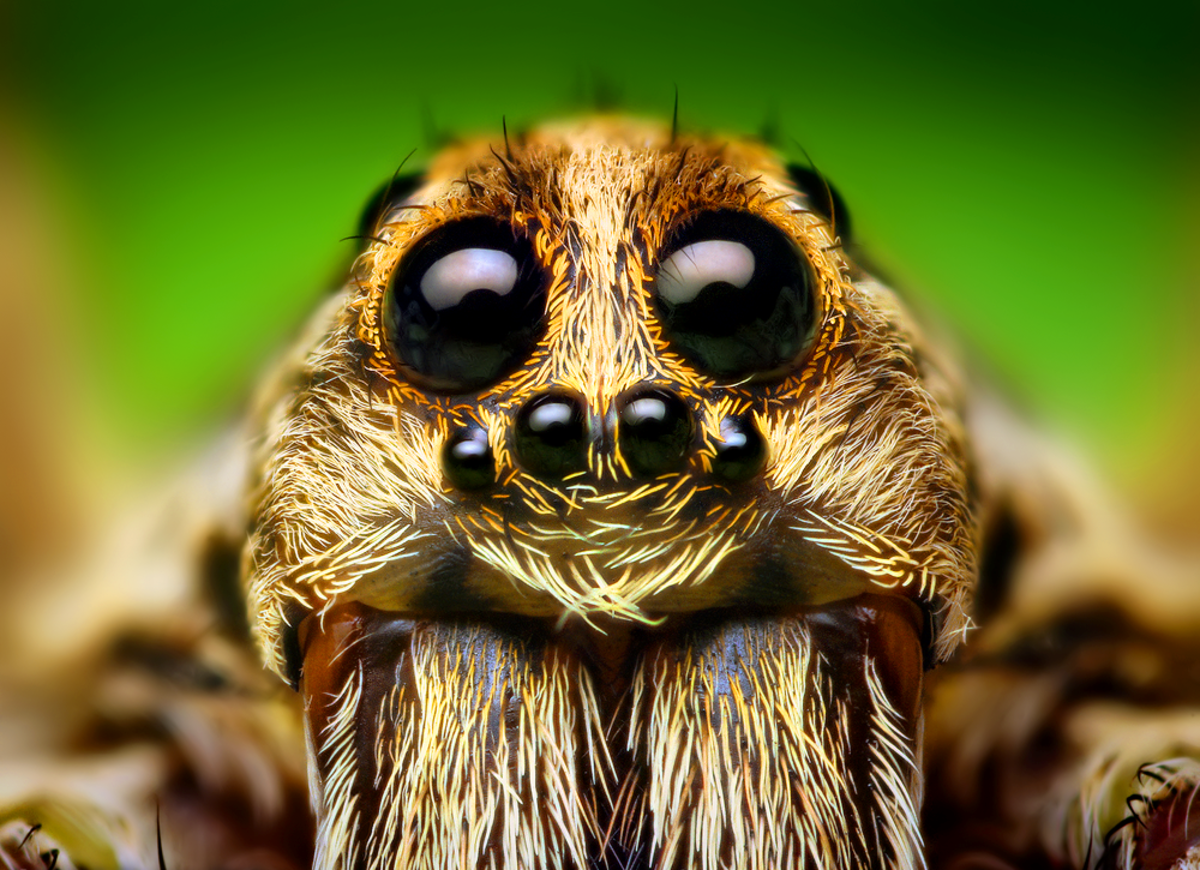
How Many Eyes Does a Spider Have? What Do Spider Eyes Look Like

Spider Eye Patterns FREE PATTERNS

Different patterns of spider eyes. (h/t christianbok and bronwynlea
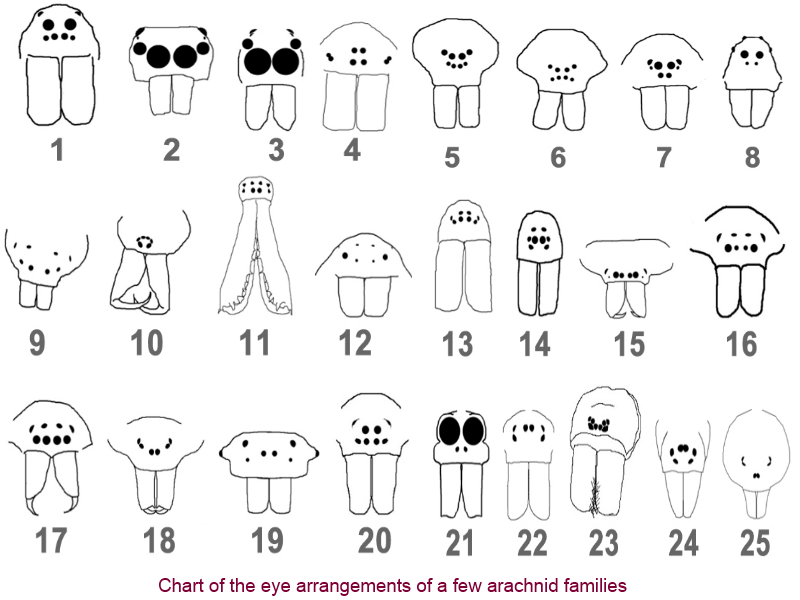
Spider identification by eye arrangement THE BIOLOGIST APPRENTICE
The various types of spider eye arrangements r/sciences

Spider Eye Patterns FREE PATTERNS

Meet the families A Field Guide to Spiders of Australia CSIROscope

Spider Eye Patterns FREE PATTERNS
The different types of spider eye arrangements r/spiders
Web Sometimes The Placement And Relative Sizes Of A Spider's Eyes Is A Useful Diagnostic Feature, Mostly To The Level Of Family But Sometimes Even To A Finer Level.
The Adult Spider Is About Half An Inch In Length And Has Long, Delicate.
For Identifying To Species, Spinnerets And Leg Details (Especially First And 4Th Legs) Are Also Useful.
If You Can Get A Good Photograph From The Front Of The Spider, The Size And Position Of The Eyes Can Aid In Identification.
Related Post: